
Cheap swag isn’t “budget-friendly.” It’s expensive, just paid for later in low recall, cluttered tables, and leads that ghost you after the show.
If you want real ROI, you don’t need luxury items. You need smart, durable, compact giveaways with disciplined distribution and clean attribution. That’s the whole game.
Start with the boring part: goals (because it makes the fun part work)
Most giveaway plans fail for one reason: the giveaway is treated like a party favor instead of a lever.
Pick one primary metric before you buy anything:
– Cost per qualified lead (CPL-Q)
– Cost per booked meeting
– Pipeline influenced per $1 spent on giveaways
Then set a hard ceiling. Not a vague budget range. A ceiling. If the budget is $2,500, don’t “see how it goes” and end up at $3,400 because someone found a cool mug.
Now map the giveaway to buyer stage:
Awareness: quick win, low unit cost, high perceived value
Consideration: practical item that stays in their workflow
Decision: restricted, memorable, used as a moment, not a handout
For a deeper dive on making trade show giveaways into genuine marketing assets (instead of forgettable freebies), check out this playbook.
One-line truth:
You don’t need more traffic. You need better conversions.
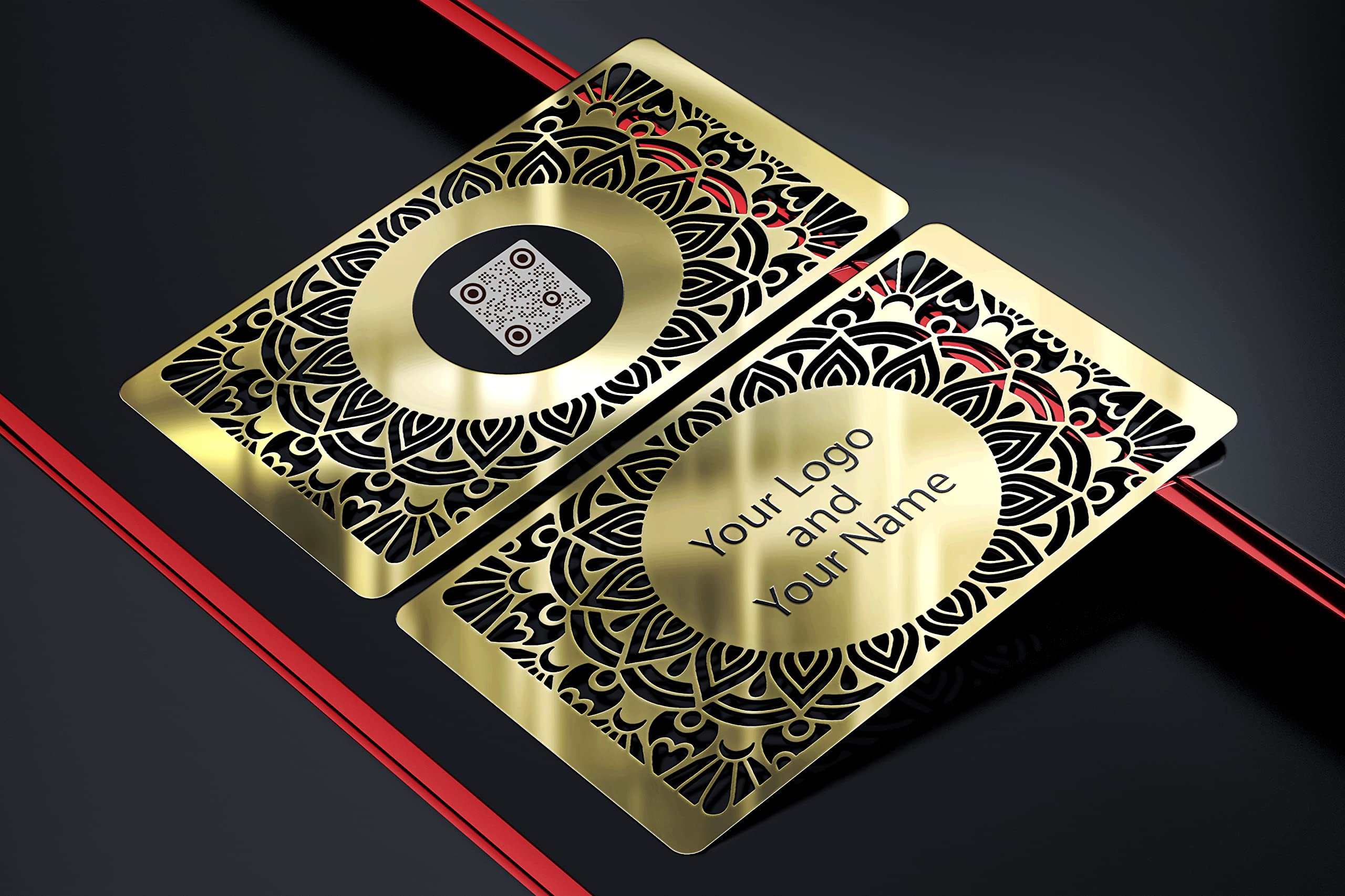
Travel-worthy giveaways (the stuff people actually take home)
Look, attendees are moving through airports, Ubers, tote bags, and hotel rooms. If it’s bulky, fragile, or oddly shaped, it becomes booth clutter and attendee baggage.
A “travel-worthy” giveaway usually has three traits:
- Pocketable or pack-flat
- Useful within 24 hours
- Hard to break, leak, or wrinkle
My short list of items that consistently earn repeat exposure
Not glamorous. Effective.
– Cable organizer / tech pouch (people keep these for years if the zipper doesn’t fail)
– Charge-and-sync cable with adapters (USB-C + Lightning still wins)
– Stainless steel pen that writes well (cheap pens are brand sabotage)
– Microfiber screen cloth in a sleeve (small, always needed, easy branding)
– RFID-blocking card sleeve (works best for security/fintech audiences)
Now, this won’t apply to everyone, but if your audience skews engineering, facilities, or field ops: compact measuring tools outperform trendy items. I’ve seen a simple pocket tape measure generate more post-show callbacks than a $12 notebook.
Want better ROI? Stop treating branding like decoration.
Branding should behave like a trigger, not wallpaper.
If your logo is a tiny stamp in the corner, you’re counting on memory. Don’t. Memory is unreliable at trade shows because everyone’s exhausted and overstimulated.
Try this instead:
– Put one clear benefit statement on the packaging or insert (not the item), e.g., “Scan to get the 3-minute setup checklist.”
– Use a short URL or QR code tied to one campaign per show.
– Make the CTA match the stage: “Book a demo” is wrong for awareness traffic; “Get the pricing worksheet” often works better.
A concrete stat, because this part gets hand-wavy fast: Promotional Products Association International (PPAI) research reports that 83% of consumers can recall the advertiser on a promotional product they received within the past two years (PPAI, Consumer Study). Recall doesn’t automatically equal pipeline, but it’s a strong argument for choosing items people keep.
A tiered giveaway strategy (because not everyone deserves the same thing)
You’re not running a candy bowl. You’re managing incentives.
Tier 1: low-cost “booth gravity”
These are for foot traffic and quick positive interactions. Keep unit cost low, but don’t make them junk.
Good examples: screen cloths, badge reels, compact hand sanitizer, quality stickers (yes, stickers, if your brand has any design taste).
Tier 2: mid-range “engagement + data”
Reserved for people who do something measurable: scan, answer two qualifying questions, sit through a 3-minute demo.
Tech pouches, multi-tip cables, small notebooks that don’t feel flimsy, decent coffee tumblers (not the giant ones, those get left behind).
Tier 3: high-value “decision moments”
This is the part teams get wrong. They blow budget here trying to impress.
The item should be exclusive more than expensive. A limited-run piece. A “we only give this to people who…” story.
In my experience, you can keep this tier surprisingly modest, $15, $30, if you control it tightly and attach it to a specific next step (scheduled meeting, signed pilot, stakeholder intro).
Packaging: the cheapest way to make something feel premium
Here’s the thing: perception is a lever, and packaging pulls it hard.
You don’t need heavy boxes with magnetic closures (unless you like paying to ship air). You need packaging that signals intention and protects the item.
A few packaging moves that work:
– Reusable zip pouches instead of disposable cardboard
– Single-color, high-contrast label with one benefit line
– Simple “how to use it” insert (especially for tech accessories)
– Recycling instructions when you’re using paper-based packaging (people notice)
One small parenthetical aside: if your packaging looks “eco,” make sure it actually is. Buyers are tired of green theater, and they’re not shy about saying so.
Distribution tactics at the booth (aka: how not to hemorrhage your budget by 11 a.m.)
Giveaways should move with a script, even if the script is casual.
A practical flow that doesn’t feel pushy:
- Tier 1 sits out (self-serve, minimal staff time)
- Staff asks one question: “What brought you to the show?”
- Tier 2 is earned via scan + micro-commitment (poll, demo, quiz)
- Tier 3 is promised and fulfilled intentionally (meeting time booked, follow-up scheduled)
And yes, you should track it. Not perfectly. Just enough to learn.
Use:
– QR codes with UTM parameters
– Different landing pages per tier
– A basic post-show attribution check (who scanned, who booked, who progressed)
If you don’t do this, you’re basically funding souvenirs.
Real-world wins (the kind that don’t sound sexy but perform)
I’ve watched “flashy” giveaways fall flat because they didn’t match the audience’s daily reality. Meanwhile, a company handing out a rugged cable kit with a QR link to a troubleshooting guide quietly dominated post-show follow-up because their item stayed on desks.
A pattern I see over and over:
– Utility beats novelty
– Limited availability beats higher price
– Clear next step beats clever branding
You can even layer in partner co-branding if it makes sense. Done right, it reduces unit cost and boosts trust. Done wrong, it looks like you couldn’t decide what you stand for.
Measuring impact (don’t overcomplicate it, but don’t skip it)
After the show, run a fast diagnostic. Same day if possible, while details are fresh.
Score each giveaway tier against:
– Relevance (did the right people want it?)
– Memorability (did anyone mention it later?)
– Pipeline movement (did it increase meetings, replies, progression?)
Then compare against your baseline: prior show CPL, reply rates, meeting rates. If Tier 2 costs more but doubles booked follow-ups, you’ve got an answer. If Tier 1 generates scans but no qualified conversations, adjust the gate.
One last opinion, because it’s earned:
The best trade show giveaway is the one you can defend in a spreadsheet and feel good handing to a customer.